
When Dr. Mehnaz Afridi first encountered the personal papers, photographs, and artifacts of Holocaust survivors Herman Ziering and Lea Ternbach Ziering, she understood immediately that this was more than a historical collection. It was a deeply personal record of survival, resilience, and moral courage — and a vital tool for teaching future generations about the Holocaust.
The connection began when Debby Ziering, the couple’s daughter, was looking for a university to which she could donate her family’s books and historical materials. In the process, she came across Dr. Afridi’s work and reached out to her. When Debby described the boxes of documents, photographs, and artifacts she had preserved, Dr. Afridi’s interest was immediate. Recognizing the historical and educational value of the materials — and the extraordinary lives they represented — she offered not only to house them but also to bring them to life through a public exhibit and the creation of a permanent archive.
In 2018, through the generosity of the Ziering family, the Herman and Lea Ziering Archive was established at the Holocaust, Genocide, and Interfaith Education Center at Manhattan University — a living repository of memory, scholarship, and interfaith understanding.
Herman’s Journey and Resistance
Herman Ziering was born in Kassel, Germany, in 1926. As a teenager, he was deported to the Riga Ghetto in Latvia during the Nazi deportations of German Jews. From there, he was sent to the Kaiserwald concentration camp, where he endured forced labor under brutal conditions.
Dr. Afridi has often said she admired his courage during his time in the ghetto and camp because he was always resisting the Nazis. He spoke about bartering for goods, escaping selections (“Aktions”), and finding ways to outmaneuver the constant threat of death.
Herman also reflected on how he believed victims might have acted differently if they had fully believed the floating rumors of mass killings. For himself, those whispers urged him to resist at every opportunity. To Dr. Afridi, this mindset showed remarkable strength and moral clarity for someone so young, living under unimaginable conditions.
After liberation, Herman was sent to Sweden, where he spent time in a displaced persons (DP) camp before immigrating to the United States to begin a new life.
Lea’s Journey from Sarajevo to Safety
Lea Ternbach Ziering was born in Sarajevo, Yugoslavia. When the Axis powers occupied the region, she and her mother fled to Split, a city then under Italian control. With the assistance of Italian partisans, they were able to avoid deportation and survive the war years in relative safety.
Eventually, Lea and her mother were brought to the Fort Ontario Emergency Refugee Shelter in Oswego, New York — the only refugee camp in the United States established during World War II to shelter Holocaust refugees. After the war, Lea built a new life in the United States, where she met Herman. Together, they preserved their personal histories and became committed advocates for Holocaust remembrance and justice.
A Relentless Pursuit of Justice
Herman Ziering was not content simply to survive. He became a Nazi hunter, dedicating decades of his life to identifying perpetrators and pushing for justice. He amassed an extraordinary collection of documents, photographs, and records — both from his personal experience and from his investigations — which detailed the identities and activities of Nazi officials and collaborators.
He also publicly demonstrated, wrote letters, and campaigned for the indictment of suspected Nazis living in the United States. His files became both a personal mission and a historical treasure — the foundation of what is now preserved as the Ziering Archive. Lea supported and shared in this mission, preserving her own documents and photographs from her wartime journey and life as a refugee in the United States.
Archival Photo Gallery
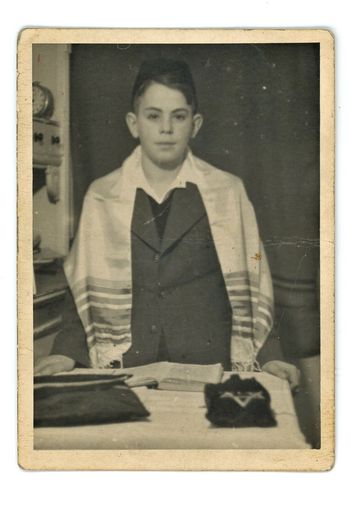
Herman Ziering’s Bar Mitzvah in Kassel, Germany, before the war — a treasured memory preserved despite the upheaval that followed.
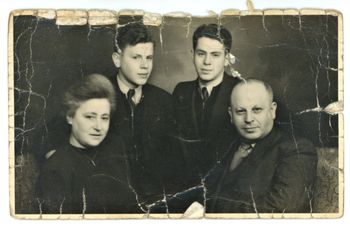
Herman Ziering during his post-war years as a Nazi hunter.
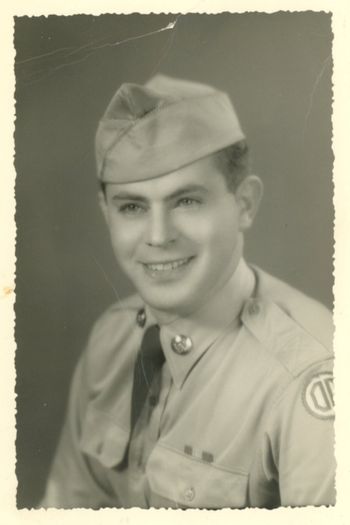
Documents preserved by Herman Ziering, detailing Nazi war crimes and survivor testimony.
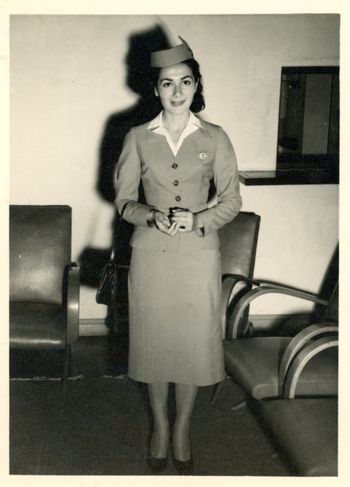
Photograph from the Ziering collection, reflecting moments of survival and resilience.
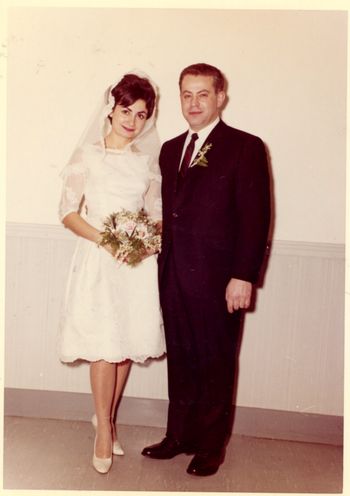
Lea Ternbach Ziering, whose wartime escape from Sarajevo to Oswego exemplifies courage and survival.
“I don’t believe in archiving stories just for dusty shelves. I believe in keeping them alive for educational reasons — to give students a human connection to history.”
This philosophy guided the Center’s 2019 exhibit, which brought the archive’s photographs, letters, and artifacts into public view, accompanied by interpretive panels and survivor testimony. The exhibit was not only a tribute to Herman and Lea’s lives but also an interactive classroom for students, educators, and visitors.
A Muslim Scholar’s Commitment to Jewish Memory
As a Muslim directing a Holocaust education center, Dr. Afridi sees the Ziering Archive as both an act of preservation and a statement of solidarity.
“I am a proud Muslim who created an archive and exhibit of a Holocaust survivor. For me, education is the most important tool for understanding the ‘other’ and creating empathy in the world.”
By stewarding this collection, Dr. Afridi challenges stereotypes and builds interfaith bridges, showing that the responsibility for Holocaust memory belongs to all humanity — not only to Jewish communities.
An Educational Resource for the Future
The Ziering Archive is integrated into the Center’s curriculum and public programming. Students use the materials for research projects, interfaith dialogues, and history presentations. Scholars and educators visit the Center to study the collection and incorporate its primary sources into their teaching.
Dr. Afridi’s vision is to ensure that the Ziering Archive continues to inspire conversations about moral courage, the consequences of hatred, and the responsibility to speak out against injustice.
“History comes alive when you can hold it in your hands. These documents are not just paper — they are people’s lives. And they belong to the world now.”
Visiting the Archive
The Herman and Lea Ziering Archive is housed at the Holocaust, Genocide, and Interfaith Education Center at Manhattan University. Appointments for scholars, educators, and community groups can be arranged by contacting the Center.